BlogWeb Design
Why Local Businesses Need a Website That Converts, Not Just Looks Good
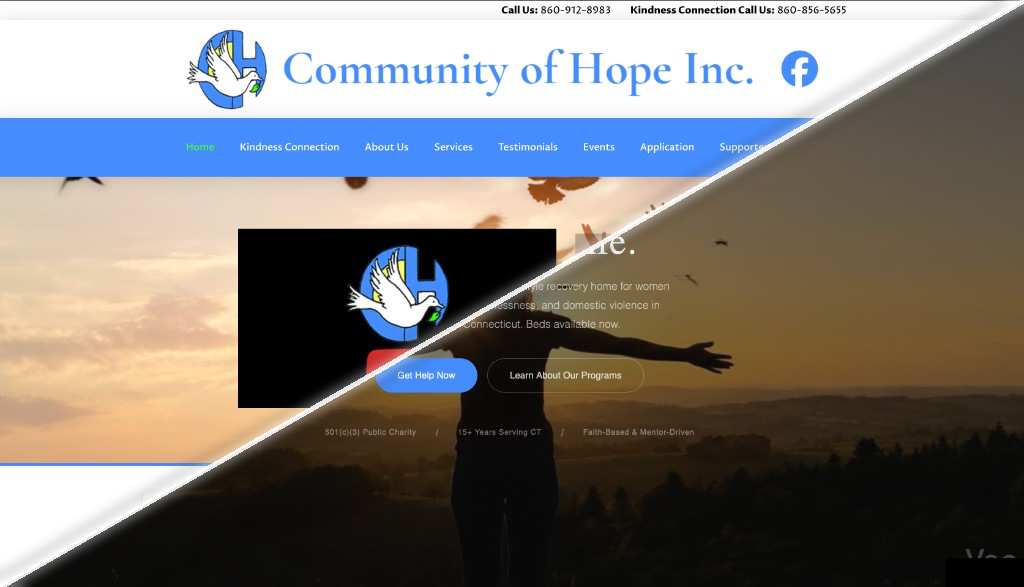
Most local businesses get a website because they know they're supposed to have one. Someone told them they need an online presence so they paid a designer, got something that looked decent, and moved on. The problem is that looking decent and actually working are two completely different things.
I've looked at hundreds of local business websites across Columbia, Lexington, Rock Hill, and the surrounding areas. The pattern is almost always the same. The site looks fine on the surface but it's not doing anything. No leads coming in. No form submissions. No calls. The business owner is paying for hosting every month and getting absolutely nothing back from it.
That's the difference between a website that looks good and a website that converts. And if you're a local business, conversion is the only thing that matters.
Conversion sounds like marketing jargon but it's simple. It's the moment a visitor on your site does the thing you want them to do. That could be calling your phone number, filling out a contact form, booking an appointment, requesting a quote, or walking into your location. Every single element on your website either moves someone closer to that action or pushes them further away from it.
Most business owners never think about it that way. They think about their website like a digital business card. Here's our name, here's what we do, here's our phone number somewhere at the bottom. But a business card just sits in someone's wallet. A website should be actively working for you every hour of every day, pulling in people who are searching for exactly what you offer and making it dead simple for them to reach out.
The first one is burying the contact information. I can't tell you how many sites I've reviewed where the only way to get in touch is a tiny phone number hidden in the footer or a contact page with nothing but a form and no context. If someone lands on your site and can't figure out how to reach you within five seconds, they're going back to Google and clicking on your competitor instead.
The second mistake is having no clear call to action. When everything on the page is the same visual weight and nothing stands out, visitors don't know what to do next. They scan, they get overwhelmed, and they leave. You need one primary action per section. Schedule a consultation. Get a free estimate. Book a tour. Whatever it is for your business, make it obvious and make it easy.
The third one is ignoring mobile. Over 60% of local searches happen on a phone. If your site loads slow on mobile, if buttons are too small to tap, if the text is tiny and the layout is broken, you're losing more than half your potential customers before they even see what you offer. I've seen businesses with beautiful desktop sites that are completely unusable on a phone. That's not a minor issue, that's a dealbreaker.
The fourth mistake is zero trust signals above the fold. When someone lands on your site from Google, they've got three or four other tabs open with your competitors. They're making a split second decision about whether you're legit. If the first thing they see is a generic headline and a stock photo, they have no reason to stay. But if they immediately see that you're licensed, insured, have 50 five star reviews, have been in business for 15 years, or accept their insurance, now they have a reason to keep reading. Trust signals above the fold are what keep people on your page long enough to convert.
It starts with a headline that confirms the visitor is in the right place. If someone searched "plumber Columbia SC" and they land on your site, the first thing they should see is something that tells them yes, you're a plumber, yes you're in Columbia, and here's why you're the one they should call. Not a clever tagline. Not your company history. Just a clear confirmation that they found what they were looking for.
Below that you need your strongest trust signals. Reviews, certifications, years in business, service area, whatever the make or break factor is for your industry. For a therapist that might be insurance names. For a contractor that's licensed, bonded, insured. For a restaurant it's hours and location. Whatever your customer needs to confirm before they'll take the next step, put it where they can see it immediately.
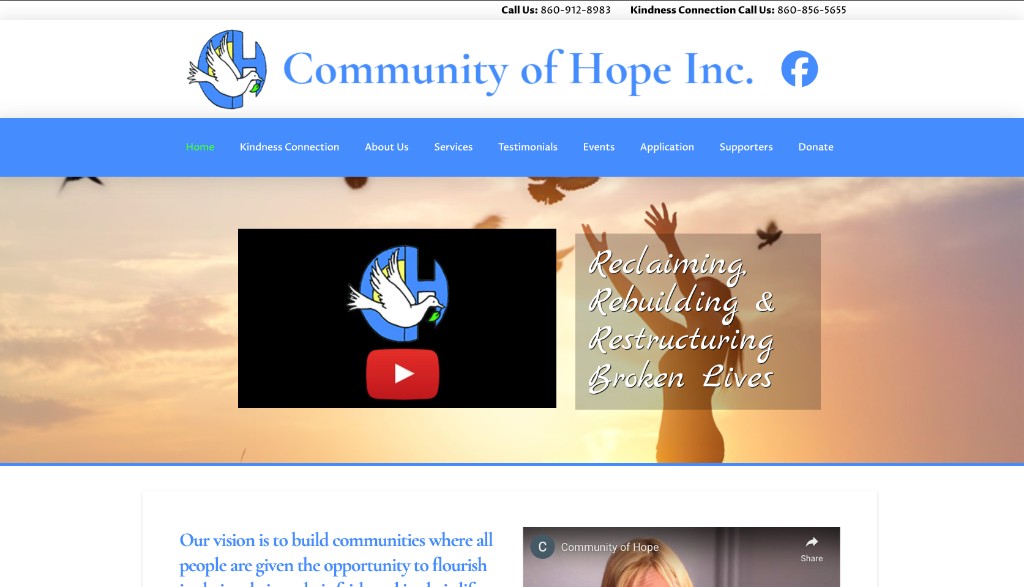
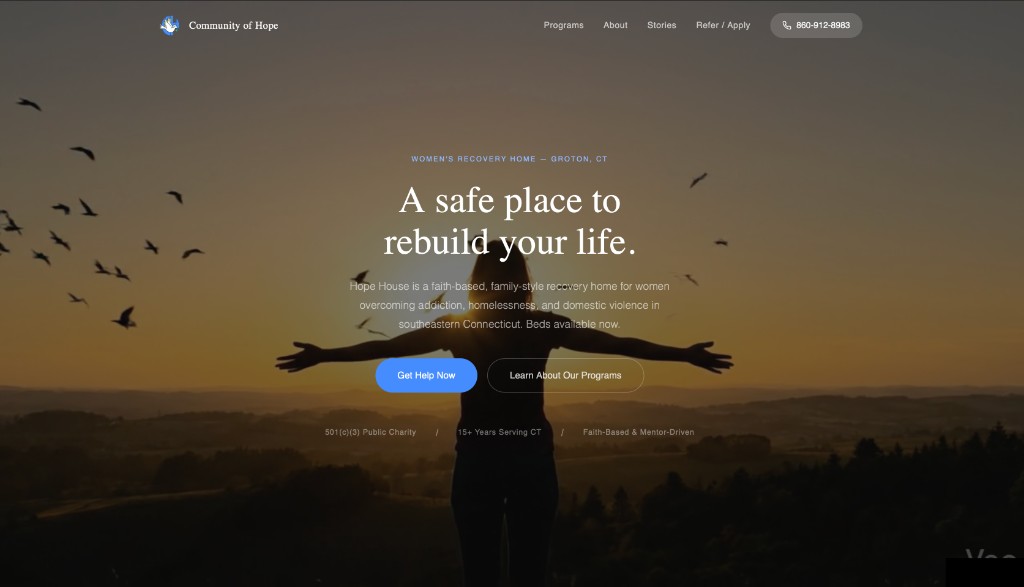
Then every section down the page has one job. Your services section helps visitors figure out which service fits them. Your testimonials section proves you've done good work for real people. Your about section builds human connection. Your FAQ section removes objections. And throughout the whole page there are clear, consistent calls to action so that the moment someone is ready, they don't have to scroll or search for the next step.
The contact form itself matters too. Keep it short. Name, phone, email, maybe a dropdown for service type, and an optional message field. Every extra field you add reduces the number of people who complete it. And put the form on the page itself, not behind a link to some external booking portal. Every extra click between your visitor and the conversion is a chance for them to drop off.
Think about it this way. If you're a contractor and your average job is worth $3,000, and your website is getting 500 visitors a month but converting zero of them into leads, that's not just a bad website. That's thousands of dollars in revenue walking out the door every single month. Those visitors are going somewhere. They're just going to your competitors.
Now imagine that same website converting at even 3%. That's 15 leads a month. Even if you close a third of them, that's 5 new customers at $3,000 each. $15,000 a month from a website that cost you a fraction of that to build. That's what a conversion focused site does. It pays for itself over and over again.
If your site is live right now but not generating leads, start with one question. Is the path to contact obvious? Pull up your site on your phone right now. Can you see a phone number or a form without scrolling? Is there a clear button telling you what to do? If the answer is no, that's your first fix.
From there look at your page speed. If it takes more than three seconds to load, you're losing people before they even see your content. Then check your Google presence. Search for your business name and your service plus your city. If you're not showing up, no amount of website design will help until the SEO foundation is in place.
The truth is your website shouldn't just represent your business online. It should be your hardest working employee. It's the one that's available 24 hours a day, never calls in sick, never has a bad day, and is always ready to take the next lead. But only if it's built to do that job.
If your current site is just sitting there looking pretty and doing nothing, it might be time to rethink what it's actually built to do.
Your website shouldn't just represent your business online. It should be your hardest working employee, available 24/7, always ready to take the next lead. But only if it's built to do that job.
Everything we write about here we also do for clients. Ready to fix your website or get found on Google? Get in touch.


